
The ROI of Invisible Technology
The most valuable technology in a marketing operation is the kind nobody notices. It runs in the background, removes friction, and compounds quietly.
The flashy AI tools get the attention. The chatbot on the website. The AI-generated video. The predictive analytics dashboard. But the technology that actually moves the needle in a marketing operation is almost always invisible. It runs in the background, and the only evidence it exists is that things work better than they should.
Visible vs. Invisible Technology
Visible technology is what you show clients and put in pitch decks. Invisible technology is what makes your team faster, your data cleaner, and your output more consistent. A Zapier workflow that automatically formats and routes inbound leads to the right salesperson will generate more revenue than most AI tools that require a demo to explain.
The distinction matters because teams tend to overinvest in visible technology and underinvest in invisible technology. The visible stuff feels like innovation. The invisible stuff feels like plumbing. But plumbing is what keeps the building functional.
Measuring What Nobody Sees
The challenge with invisible technology is attribution. When a workflow automation saves 10 hours per week of manual data entry, that time savings does not show up in a dashboard. It shows up as a team that can take on more work without burning out, campaigns that launch on schedule, and reports that are accurate the first time.
Measuring this requires tracking the counterfactual: what would this have cost in time, errors, or missed deadlines without the automation? The ROI is real. It is just harder to photograph for a case study.
Where to Start
Audit where your team spends time on repetitive, rule-based work. Data formatting, status updates, file organization, report generation, notification routing. These are the tasks where invisible technology delivers immediate, compounding returns.
Each automation you build creates capacity, as long as the process underneath is worth keeping, since automating a broken workflow only scales the dysfunction. That capacity lets your team focus on the work that actually requires judgment, creativity, and strategy. The goal is not to replace people. It is to stop wasting them on tasks that a system can handle.
The best technology is the kind you forget is there. It just works, and everything around it works better because of it.
Keep Reading
RELATED INSIGHTS
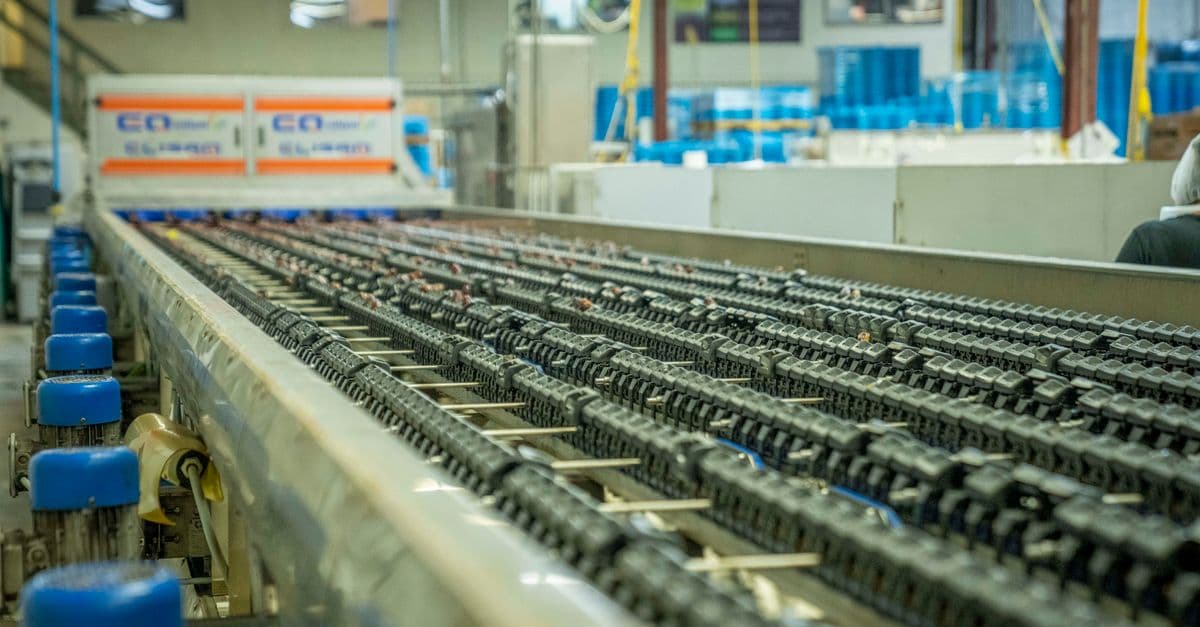
AI Marketing Workflows for Real Estate Teams
Most AI marketing workflow advice is written for one person working alone. Here is what breaks the moment you add a team, and what survives.
August 3, 2026

AI Workflows That Actually Work in Marketing Operations
Most AI marketing tools are gimmicks. The ones that stick are invisible. They're embedded in workflows, not bolted on. Here's how to tell the difference.
March 28, 2026
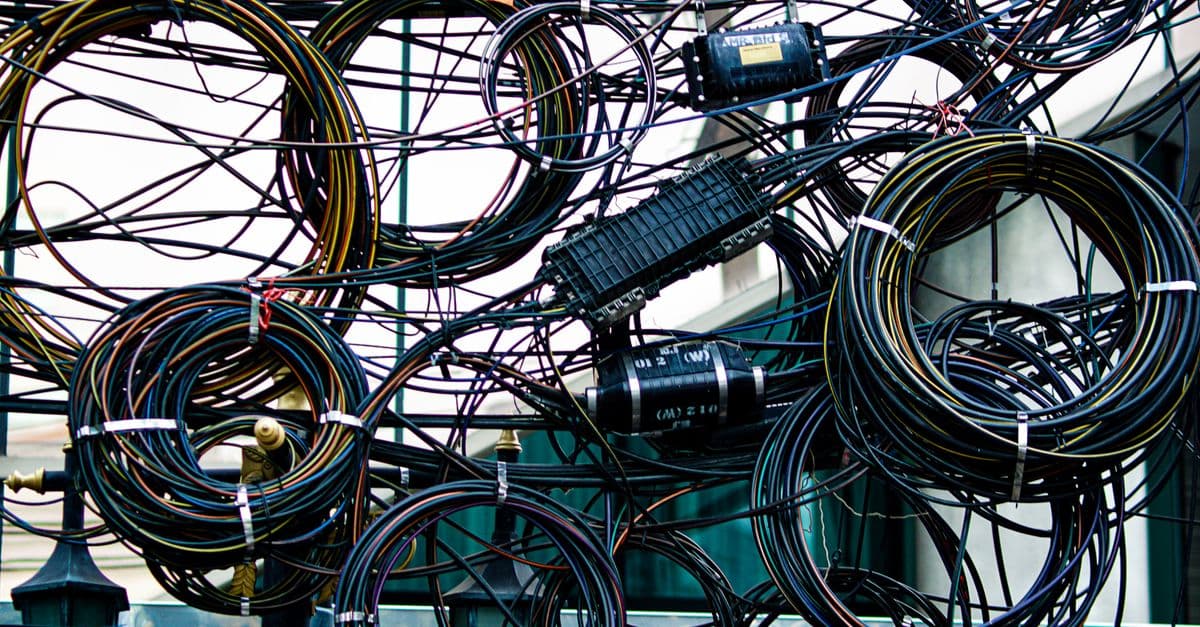
Automation Without Strategy Is Just Faster Chaos
Automating a broken process does not fix it. It scales the dysfunction. Strategy comes first. Automation comes second.
December 10, 2025
WORKING ON THIS?
Tell me where your marketing breaks down and I will tell you what I would do about it.